
How Much Does Towing Cost in DeLand? A Local Price Guide
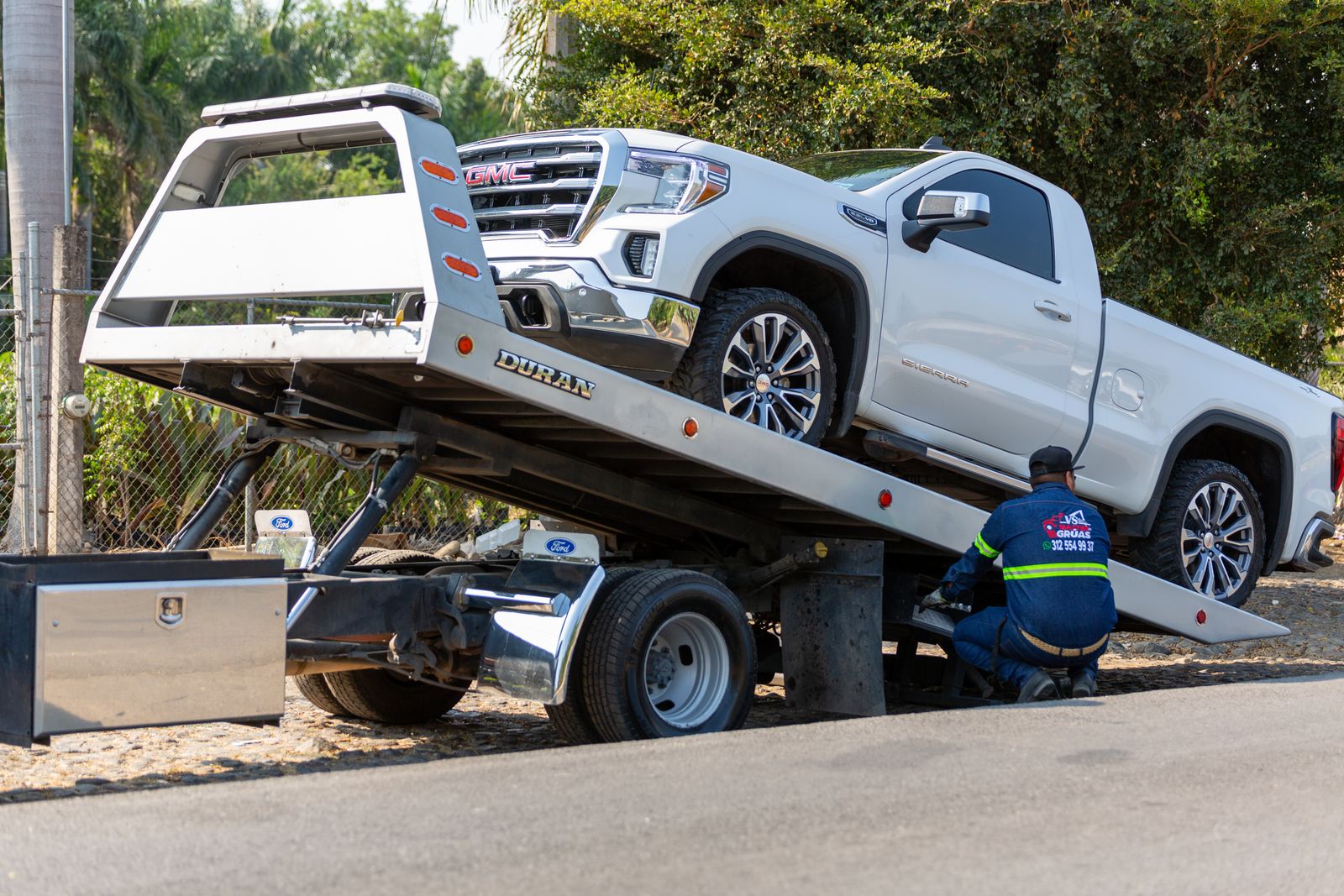
A dead engine on Woodland Boulevard or a flat tire on the shoulder of I-4 raises two questions at once: who do I call, and what is this going to cost? Towing cost in DeLand is not a single number. It is built from a base fee, the miles between your vehicle and where it is going, and a short list of surcharges that depend on your car and your situation. Florida law shapes part of the bill too. Here is how those pieces fit together, and how to get a straight answer before a truck ever rolls.
Key Takeaways
- A local tow is priced from a base service or hook fee plus a per-mile charge, with extra fees for winch-outs, after-hours calls, and heavier vehicles.
- Consent tows, the kind you request yourself, are set by the market; nonconsent tows from private property or a crash scene are capped by county-published maximum rates.
- Under Florida law, counties must set and publish maximum rates for the nonconsent towing and storage of vehicles.
- A Florida storage lot cannot charge a storage fee if it holds your vehicle for less than six hours, and it must provide an itemized bill.
- Distance is usually the largest single variable, so where your vehicle is headed matters as much as where it broke down.
- The surest way to avoid surprise charges is to get an all-in quote confirmed before the vehicle is connected to the truck.
What Goes Into the Price of a Tow?
The price of a tow is built from three parts: a base service fee, a per-mile rate, and any surcharges the job requires. The base fee, sometimes called a hook or drop fee, covers dispatching a truck and connecting your vehicle. On top of that, most operators add a charge for each mile the vehicle travels, which is why a two-block move costs far less than a haul across the county. Surcharges are where bills diverge the most. A vehicle stuck in sand, mud, or a ditch needs a winch-out, which is billed separately from the tow itself. Calls after hours, on weekends, or during holidays often carry a premium. Heavier vehicles, accident recovery, and situations that need extra equipment or a second operator all push the total higher. None of these are hidden if you ask: a reputable DeLand operator can break a job into base, mileage, and add-ons before the truck is hooked up. Knowing that three-part structure is what lets you tell a fair quote from a vague one, because a single flat 'it depends' figure tells you nothing about which part is driving the cost.
How Much Does Distance Change the Bill?
Distance is usually the single biggest factor in what a tow costs, because the per-mile rate applies to the whole trip, not just the leg out to reach you. DeLand sits at the center of a wide service area, and the miles add up quickly once a vehicle leaves town. A tow from downtown DeLand to a shop in Orange City runs only a handful of miles, while a move to a dealership in Daytona Beach covers roughly twenty-plus miles each way, and a trip toward Orlando down I-4 can pass thirty-five. For anything beyond the local radius, ask whether the operator prices it as a standard per-mile tow or as a long-distance job, since the two are often quoted differently. If your vehicle is drivable to a nearer destination, choosing a closer shop is the simplest way to hold the number down. When you call, name both the pickup point and the drop-off, because the distance between them, not just your location, is what sets the mileage portion of the bill. For longer hauls, a flat quote agreed in advance protects you from a meter that keeps running.
Does the Type of Vehicle Affect the Cost?
Yes, the vehicle changes both the equipment and the price. A standard sedan can ride on a wheel-lift or a flatbed, but all-wheel-drive vehicles, lowered or low-clearance cars, and many newer models should travel on a flatbed so the drivetrain and bodywork are not dragged or damaged, and flatbed service usually costs more than a basic hook. Weight class matters just as much. Light-duty covers most passenger cars and small trucks; medium-duty handles box trucks, larger vans, and motorhomes; and heavy-duty equipment for buses, loaded trucks, and commercial rigs is the most expensive to dispatch because of the specialized wreckers involved. Motorcycles need soft straps and a rail or flatbed rather than a standard hook. If your car is wrecked, the recovery itself, uprighting it, clearing debris, or pulling it off a guardrail, is billed on top of the tow. When you request service, give the make, model, and drivetrain along with what went wrong, so the right truck arrives the first time. Sending a wheel-lift to an all-wheel-drive crossover means a wasted trip and a second dispatch fee, which is exactly the kind of avoidable cost a clear description prevents.
Consent vs. Nonconsent Tows: Why the Bill Is So Different
A consent tow is one you request; a nonconsent tow happens without your say-so, usually from private property or a crash scene, and the two are priced under completely different rules. When you call for help, the rate is whatever the operator quotes and you agree to, set by the local market. Nonconsent tows are regulated. Under Florida Statute 125.0103, counties must establish and publish maximum rates that may be charged for towing and storing vehicles removed from private property or from an accident scene, so a trespass tow in Volusia County cannot legally exceed the county's published cap. Florida Statute 715.07 adds more structure: a property owner can only tow after posting clear tow-away-zone signage, the towing company must keep its current rates on file with local law enforcement, and it must release a vehicle within one hour of a proper request. For nonconsent jobs, Florida Statute 323.002 requires an operator to give written disclosure of the maximum towing and storage charges before the vehicle is ever connected to the apparatus. The practical point is that a tow you arrange yourself is a negotiation, while a tow arranged by someone else is bounded by law.
What About Storage Fees and the Final Bill?
Storage is a second charge that can quietly outgrow the tow itself, so it is worth understanding before your vehicle sits overnight. Florida Statute 713.78, which governs towing and storage liens, sets several protections: a facility cannot charge a storage fee if it holds your vehicle for less than six hours, any administrative fee is capped, and the operator must send the registered owner an itemized statement of the charges that have accrued. That itemization matters, because it lets you see the base tow, the mileage, and each day of storage as separate lines rather than one lump sum. The same statute requires storage lots to accept at least two common payment forms, including cards or a digital wallet, so you are not forced to hunt for cash to get your car back. If your vehicle is drivable to a repair shop or your home rather than a storage lot, you avoid the storage clock entirely, which is often the cheaper path. When you pick the vehicle up, ask for the itemized bill and compare it against your quote; a charge that does not match what you agreed to is what the record-keeping rules exist to catch.
How Do You Get an Honest Tow Quote in DeLand?
The way to get an honest quote is to give the dispatcher enough detail to price the whole job at once. Start with the pickup location as precisely as you can, a street address, an intersection, or an I-4 mile marker and direction of travel, then name the destination so the mileage can be calculated. Describe the vehicle by make, model, and drivetrain, and say what is wrong: a flat, a dead battery, a no-start, or a vehicle off the pavement that will need a winch. With that, a good operator can quote the base fee, the mileage, and any surcharge together as one number. Ask for that all-in figure before you agree, and ask whether after-hours or winch-out charges apply to your call. It is also worth checking your own coverage first, because many auto insurance policies and roadside memberships include a set number of tow miles that can cover a short local move outright. Clear information up front is the difference between a predictable bill and a dispute later.
The One Number to Confirm Before the Truck Hooks Up
If you take away one thing, make it this: get the all-in price confirmed before your vehicle is connected. A tow you arrange yourself is only as predictable as the quote you agree to, so pin down the base fee, the mileage to your chosen destination, and any winch-out or after-hours surcharge as a single number. Know whether the tow is consent or nonconsent, because that decides whether you are negotiating a rate or checking a county cap. And match the truck to the car so a flatbed is not a surprise line on the invoice. When a breakdown around DeLand leaves you weighing those questions, DeLand Towing Service can talk through the options for emergency towing and roadside assistance and quote the job before anyone commits.
Need a tow in DeLand right now?
Tell us where your vehicle is, where it is headed, and what went wrong, and we will quote the base fee, mileage, and any add-ons before the truck hooks up.
Sources
- Florida Statute 125.0103, County authority to establish maximum towing and storage rates (The Florida Senate)
- Florida Statute 715.07, Vehicles parked on private property; towing (The Florida Senate)
- Florida Statute 713.78, Liens for recovering, towing, or storing vehicles and vessels (The Florida Senate)
- Florida Statute 323.002, County and municipal wrecker operator systems (The Florida Senate)
Know the Price Before the Truck Arrives
Skip the guesswork on your next tow. Give a DeLand dispatcher your location, your destination, and your vehicle details, and get an all-in quote up front from a local crew that puts the number in writing before anything moves.
(386) 845-3790 Call (386) 845-3790