
Tire Blowouts and Florida Heat: What DeLand Drivers Should Know
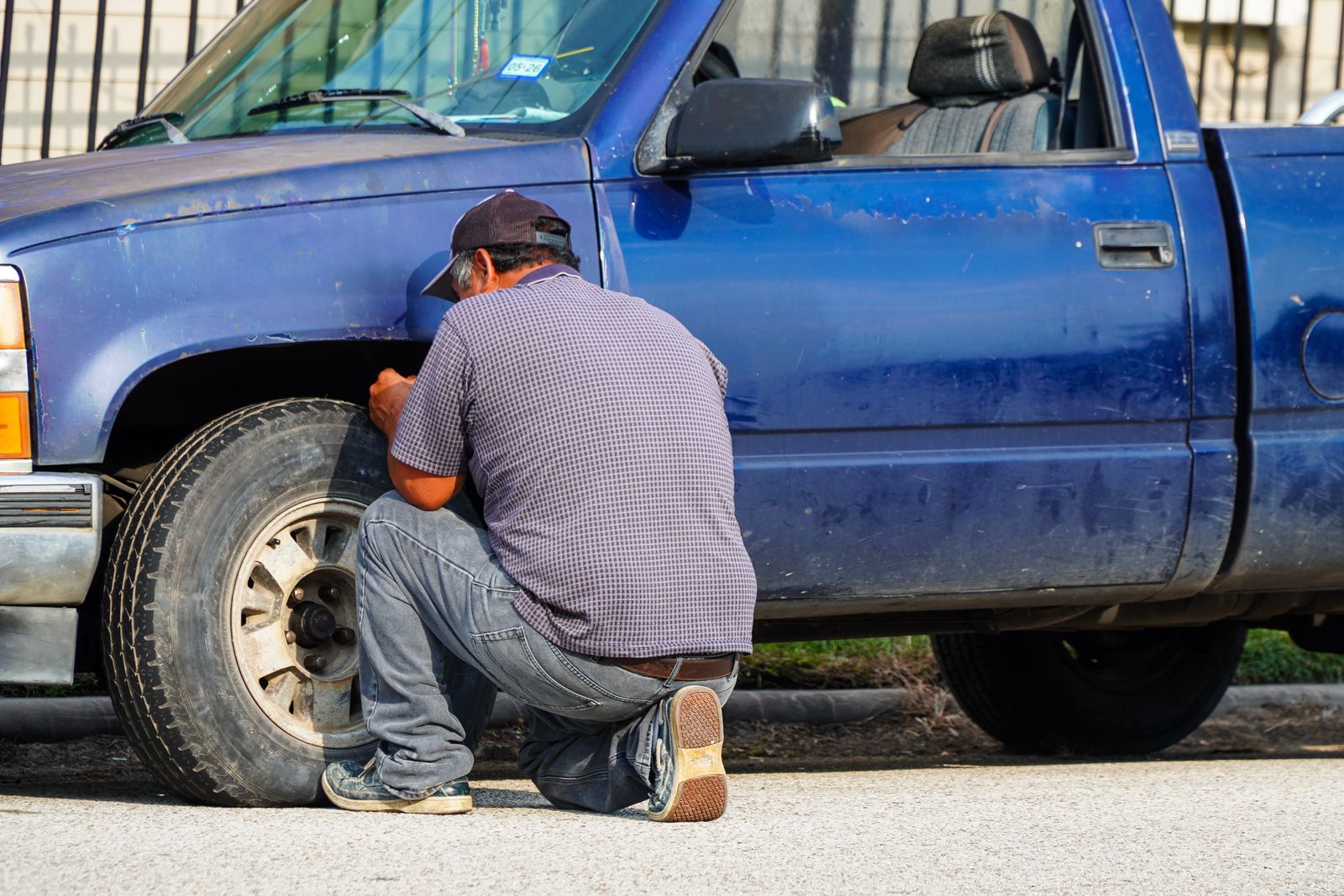
In 2024, 511 people died on American roads in tire-related crashes, according to the National Highway Traffic Safety Administration. What makes that figure local is something the same agency states plainly: tire aging is a greater concern in the more southern parts of the Sun Belt states. A tire blowout in Florida heat is rarely bad luck. It is usually the end of a process that started months earlier, quietly, in a driveway under full sun.
Heat ages a Florida tire faster than the tread wears out
Tire aging is the change that happens to rubber and the other components in a tire over time, and NHTSA attributes it to service, storage and environmental conditions rather than mileage alone. Exposure to sunlight and a warmer climate are on its list of contributors, and the agency singles out the southern Sun Belt as the region where aging is the bigger worry. Separately, NHTSA notes that sustained high temperature, such as driving long distances in hot weather, can cause a tire to deteriorate and lead to blowouts and tread separation. The practical consequence for a car that lives in DeLand is that a set of tires can reach the end of its safe service life while the tread still looks perfectly respectable.
Tread depth is a floor, not a clean bill of health
Passing the penny test means a tire is not yet illegal to run; it does not mean the tire is sound. Both NHTSA and the U.S. Tire Manufacturers Association put the replacement threshold at 2/32 of an inch, measured against the built-in wear bars or with a penny inserted upside down. The part drivers skip is age. NHTSA says outright that you cannot detect tire aging by looking, and that some vehicle and tire manufacturers recommend replacing tires that are six to ten years old regardless of treadwear. The build date is on the sidewall: find the DOT Tire Identification Number and read the last four digits, where 0308 means the third week of 2008. Check both sides, because the full number may only appear on one.
Underinflation is a heat problem, not just a fuel-economy one
A soft tire runs hot, and heat is what destroys it from the inside. The U.S. Tire Manufacturers Association describes underinflated tires as generating excessive heat build-up and stress, which causes irregular wear and internal damage you cannot see. The association also notes that inflation pressure moves one to two pounds for every ten degrees of temperature change, which is why a reading taken in a shaded carport in the morning and one taken in a parking lot at three in the afternoon are not the same measurement. Check pressure at least monthly and take the reading cold, meaning the car has sat for at least three hours, and check the spare at the same time.
The TPMS light is a late warning, not a monitoring service
By the time the dashboard symbol appears, the tire has already been running underinflated for a while. The U.S. Tire Manufacturers Association puts the trigger point at roughly 25 percent below the correct pressure and says plainly that for many vehicles this warning may be too late to prevent damage, and that the system is not a replacement for monthly checks with a gauge. NHTSA adds the details worth knowing: every passenger car, light truck and van from model year 2008 onward is required to have the system, the light may come on briefly on a cool morning and go out as the tires warm, and a symbol that flashes for a minute or so before staying lit is reporting a fault in the system itself rather than a soft tire.
Braking is the wrong instinct when a tire lets go
NHTSA's guidance for a blowout is counterintuitive and worth rehearsing before you need it: do not panic, because slamming the brakes or snatching your foot off the accelerator can cost you the vehicle. Hold the wheel with both hands, maintain your speed if it is safe to do so, release the accelerator gradually, and steer where you want the car to go. Once it has stabilized, keep slowing and pull off the road where you judge it is safe. The agency also notes that a front blowout is felt mostly through the steering while a rear one is felt through the seat and body of the car, though the correct response is the same either way. Where you finally stop matters as much as how: get completely clear of the travel lane and put the hazards on.
Your spare has been aging in the trunk the whole time
The tire you are counting on in an emergency is usually the oldest one on the vehicle. NHTSA points out that spare tires are prone to aging precisely because they seldom get replaced, and recommends that a full-size spare not be used as a substitute for worn tires except in emergencies such as replacing a flat. That means the spare needs the same monthly pressure check as the other four, which the tire manufacturers' association also recommends. It is also worth finding out, in your own driveway rather than on the shoulder of SR 44, whether your car carries a full-size spare, a temporary one with a speed and distance limit, or only a sealant and inflator kit that cannot fix a sidewall failure at all.
Replacing one tire is a decision with consequences
The U.S. Tire Manufacturers Association recommends replacing all four tires at once for optimal performance, and gives specific rules when that is not feasible. If you are replacing two, the new pair goes on the rear axle, because the better grip belongs where it prevents hydroplaning from turning into an oversteer and a loss of stability. Replacing a single tire can affect suspension, transmission and treadwear, and if it is unavoidable, the new tire should be paired with whichever existing tire has the deepest tread and both should go on the rear. Whatever you buy has to match the size, load index and speed rating the vehicle or tire manufacturer specifies, and must never be a smaller size or a lower load-carrying capacity.
Some blowouts are a tow, not a tire change
Change it yourself only when you are completely off the travel lane, on level ground, with a usable spare and the tools to fit it. A tire that failed at speed frequently takes more than itself: the wheel rim, the fender liner, brake lines or suspension components can all be damaged by the tread coming apart at seventy miles an hour, and none of that is fixed by bolting on a spare. Two damaged tires, no serviceable spare, a low-clearance or all-wheel-drive vehicle, or a soft shoulder that will not hold a jack all point the same direction. In those cases the vehicle should be loaded rather than driven, and a flatbed keeps a damaged wheel or a compromised suspension from being tested at road speed.
The Short Version
- NHTSA recorded 511 deaths in tire-related crashes in the United States in 2024.
- NHTSA notes that tire aging is a greater concern in the southern Sun Belt states, where sun and sustained heat break tires down regardless of mileage.
- The last four digits of the DOT number on the sidewall give the week and year a tire was built; some manufacturers advise replacing tires at six to ten years old regardless of tread.
- Underinflated tires build excessive heat and suffer internal damage, and pressure shifts one to two psi for every ten degrees of temperature change.
- A tire pressure monitoring system only warns at roughly 25 percent underinflated, which is why a monthly check with a gauge still matters.
- In a blowout, hold the wheel, keep your speed if it is safe, ease off the accelerator, then slow and pull off; braking hard is the wrong instinct.
- When only two tires are being replaced, the new pair belongs on the rear axle.
Check the spare's pressure on the same day you check the other four. A flat spare turns a twenty-minute roadside stop into a tow, and you find out at the worst possible moment.
Blown out on the shoulder in DeLand?
If changing it is not safe where you are, or the spare will not do the job, call and we will come to you with the right equipment.
Flat or Blown Out Near DeLand? We Will Come to You.
A licensed local driver can fit your spare on the roadside or load the vehicle on a flatbed if the wheel took damage. One call, a flat rate quoted before anything moves, any hour.
(386) 845-3790 Call (386) 845-3790