How to Get a Motorcycle Towed in DeLand Without Damaging the Bike
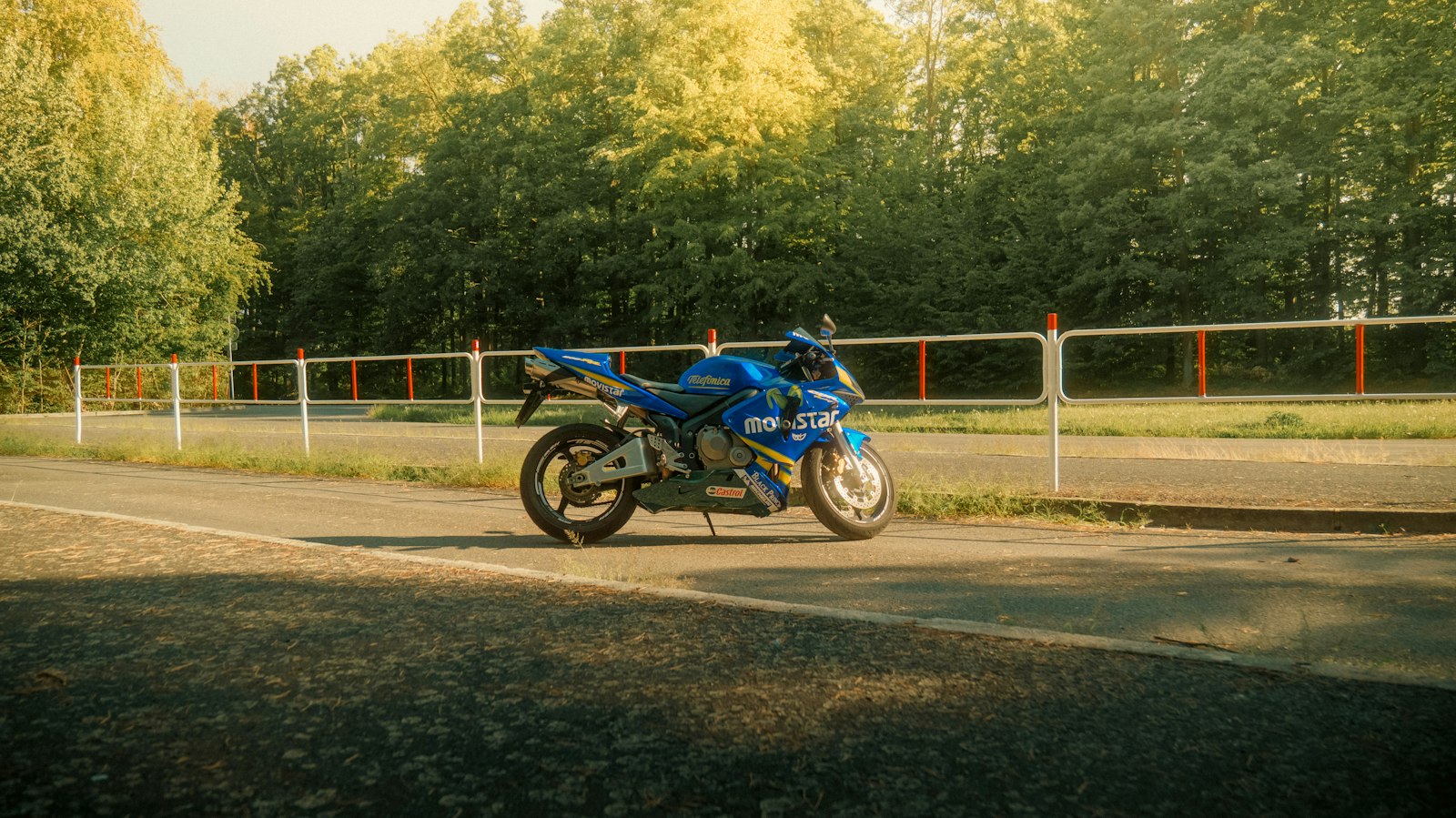
Two owner's manuals from two respected brands give opposite instructions about where the upper tie-down straps go on a motorcycle. One says the handlebar. The other says never the handlebar. Both are right about their own machines, and that single disagreement explains most of the damage riders find after a bike has been moved by someone in a hurry. Getting a motorcycle towed is less about the truck than about four things a rider settles early: whether the bike rolls, what it gets strapped to, how hard, and where it stands while it waits.
Key Takeaways
- Honda warns that towing a motorcycle with a wheel or wheels on the ground can cause serious damage to the transmission.
- Manufacturers disagree on strap points: Honda sends the upper straps to the handlebar close to the fork, Indian's Scout manual says not to restrain the bike by the handlebars at all.
- Front suspension is compressed about halfway, because Honda states too much pressure could damage the fork seals.
- Indian instructs owners not to engage the side stand during truck or trailer transportation.
- Honda rules out rope by name, warning it can loosen and allow the vehicle to fall over.
- A bike hauled on a public road is restrained under cargo-securement law, not courtesy.
A Motorcycle Is Transported, Not Towed
A motorcycle should ride on a deck with both wheels off the road, chocked upright and strapped down, rather than rolling behind anything. Manufacturers put this in the imperative rather than the advisory. Honda's transporting section instructs owners to never try to tow the vehicle with a wheel or wheels on the ground, and says plainly that doing so can cause serious damage to the transmission. A car has a neutral that breaks the link between its wheels and its gearbox; a motorcycle's gearbox and final drive stay tied to the rear wheel whether or not anyone is riding. So the wrong methods are the ones that leave a wheel turning. A sling under the frame, a dolly under one wheel, or anything that drags a bike on its own tires is not a faster version of the right answer. A correct setup is unglamorous: front wheel seated hard into a chock, the bike standing vertical with nobody holding it, four straps doing the work.
The Manuals Disagree About Where the Upper Straps Belong
There is no universal strap point, and assuming one is how bars get bent and clamps get scarred. Honda sends the upper strap ends to the handlebar, one on the right and one on the left, close to the fork. Indian's Scout owner's manual gives the opposite instruction: do not restrain the motorcycle using the handlebars, and loop the straps from the front up and over the lower triple clamp instead. Neither is wrong. They describe different hardware. A bar clamped solidly to a fork crown tolerates downward load in a way a pullback riser on a cruiser does not. The useful question at the roadside is therefore not how a motorcycle gets strapped, but where yours does. If you know your bike's answer, say it before anyone reaches for a strap. If you do not, the transporting pages take a minute to find on a phone.
Strap Pressure and Hardware Are Where Bikes Get Hurt
Tension on a motorcycle tie-down is a measured amount, not maximum effort. Honda specifies tightening the front straps until the front suspension is compressed about halfway, and warns that too much pressure is unnecessary and could damage the fork seals. That is the quiet failure mode. A fork held fully bottomed for an hour on a bouncing deck is asking its seals to hold an abnormal load, and the leak shows up days later as a wet slick down the lower tube. Hardware does the rest. A bare metal S-hook landed on a painted triple clamp leaves a mark, and routed carelessly it rests against a brake line or a wiring loom, which is why Indian's instructions include taking care not to interfere with wiring and brake lines. Soft straps exist to put a nylon loop between the hook and anything you care about. Rope is no substitute: Honda says to avoid it because it can loosen and allow the vehicle to fall over.
A Cruiser, a Sportbike and a Trike Are Three Different Loads
The restraint method changes with the machine, and so does the equipment that has to show up. A heavy cruiser carries its mass low and wide, which makes it stable once chocked but awkward to walk up a ramp, and its pullback risers are exactly the hardware Indian is protecting when it rules out the handlebars. A sportbike is the opposite problem: light, narrow, short on ground clearance, with fairings that will not tolerate a strap dragged across them and clip-ons that are structurally part of the front end. A trike or sidecar rig is barely a motorcycle load in practical terms, since it has three contact patches and a track width no single wheel chock will hold, so it needs deck width closer to what a small car gets. One instruction survives all three: Indian tells owners to restrain the motorcycle upright and not to engage the side stand during truck or trailer transportation, because a stand under load on a moving deck puts the whole weight on one small foot.
What a Rider Does Before the Truck Arrives
The first move is to get the bike and yourself off the travel lane, and the second is to stop touching it. Push it onto firm, level ground if that is safe, because a side stand sinks into soft shoulder sand or hot asphalt, and a bike that lies down while it waits turns a tow into an insurance claim. Kill the ignition, and the fuel tap if the bike has one. Then gather what dispatch will ask for: whether the front wheel still rolls, whether the bars still turn, whether the steering is locked, and whether you have the key. Photograph the bike from both sides before anyone arrives, scratches and all, so its condition is not a matter of memory. If it went down, say so on the phone, because a dropped machine may have a bent lever or a weeping tank that changes how it is handled. That groundwork is the part only the rider can do, and it is what makes the roadside assistance call short.
Rally Season and Volusia Roads Change the Call, Not the Method
Where a bike stops in Volusia County affects the truck that comes and the wait, but never the way it rides. DeLand, the county seat, sits at the inland end of a corridor that fills with motorcycles twice a year: Biketoberfest runs four days in Daytona Beach each October and Bike Week does the same each March, both spreading to venues across the county. From downtown DeLand, where State Road 44 runs as New York Avenue and crosses the US 17-92 that locals call Woodland Boulevard, SR 44 continues twenty-four miles east to New Smyrna Beach. Go west instead and it stops being traffic and starts being terrain: Hontoon Island State Park lies six miles out off SR 44, reachable only by private boat or the park ferry, so every visiting bike waits on the mainland, often on sand. None of that changes the restraint. Federal rules require cargo to be secured against falling from the vehicle or shifting enough to affect the truck's stability, and Florida law requires a vehicle be loaded so no part of its load can drop, shift or escape, naming that federal standard as one way to comply. Done right, flatbed towing from DeLand Towing Service is a boring trip.
If an operator reaches for the handlebars and your bike's manual says the lower triple clamp, speak up before the strap is tensioned, not after.
Bike stopped somewhere between DeLand and the coast?
Tell a DeLand dispatcher the make, the style of bike and what it is standing on, and the right chock and soft straps come loaded before the truck leaves.
What Riders Want to Know About Getting a Bike Towed
Can a motorcycle be towed with the rear wheel on the ground?
It should not be. Honda's transporting instructions tell owners never to tow the vehicle with a wheel or wheels on the ground, and warn that doing so can cause serious damage to the transmission. A motorcycle's final drive stays tied to the rear wheel, so a rolling tire keeps turning parts nothing is driving. The answer is a deck with both wheels up.
Will tie-down straps damage my forks?
Only if they are overtightened. Honda specifies compressing the front suspension about halfway and warns that more pressure is unnecessary and could damage the fork seals. A fork held fully bottomed for the length of a tow carries a load it was never meant to hold statically, and a weeping seal is the usual result.
Do I need a trailer, or will a flatbed tow truck work?
Either works, as long as the bike rides upright with both wheels off the road and is chocked and strapped. Manufacturers describe the same method for a motorcycle trailer and a flatbed truck. Access decides it, since a flatbed needs room behind the bike to tilt its deck, and a trike or sidecar rig needs the extra width.
What should I tell the dispatcher when I call for a motorcycle tow?
Lead with the make, model and style of bike, because a cruiser, a sportbike and a trike need different chocks and strap points. Then say whether the front wheel rolls and whether the bars turn, since a bike that cannot be rolled or steered needs more hands. Finally describe the surface it stands on: sand, grass and a sloped shoulder each change the equipment.
Want the Bike Loaded the Way the Manual Says?
Give us the bike, the location and the ground it is sitting on, and a DeLand driver will arrive with a chock and soft straps instead of a guess.
(386) 845-3790 Call (386) 845-3790